
 The geographical hotspots of the world are all related to economic trade and global exchange of political interests. Places such as the Panama and Suez Canals have always been in the Western media. However, from an economic and strategic perspective, the Strait of Malacca is one of the most important shipping lanes in the world in the 21st Century. The history of this Strait’s geopolitical relevance goes as back as 400 years of history.
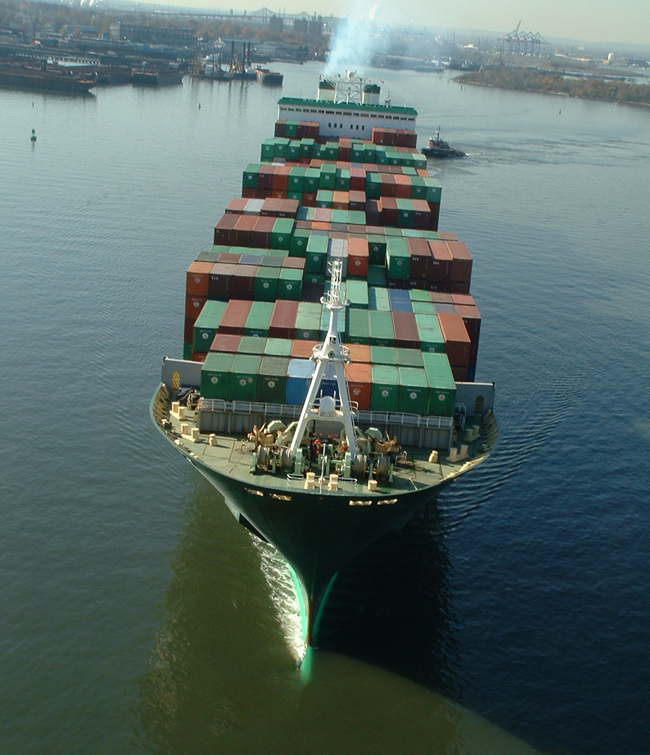
For centuries the strait has been the main shipping channel between the Indian Ocean and the Pacific Ocean. It has been controlled by the major regional powers and also by the mayor global power during different historical periods. In 2011 hundreds of thousands of containers in more than 60,000 vessels crossed its waters carrying about one-quarter of the world’s traded goods including oil, Chinese manufactures, and Indonesian coffee.
In order to understand which is the geopolitical importance of the Strait of Malacca for the Chinese government we need to overview the current geopolitical dynamics and economic investments in the region.
The following image from NASA clearly depicts what are some of the IMPRESSIVE negative externalities caused by the transport of global goods in the region and opens the door for discussing
- How can we fix this?
- Who should fix it?
- Can it be fixed?
- Can we reduce the future impacts in the area?
- What solutions are available?
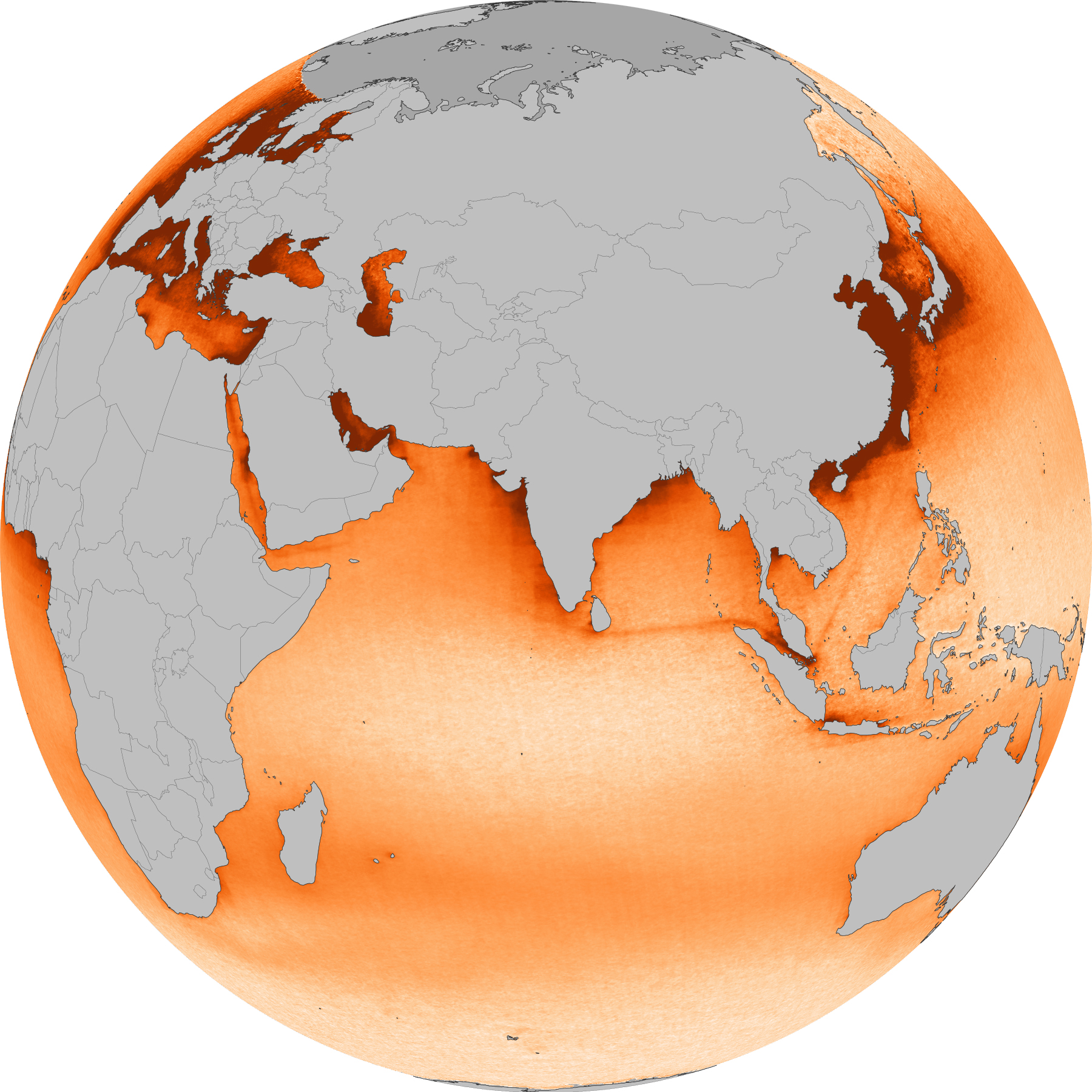

Elevated levels of nitrogen dioxide pop out over certain shipping lanes in observations made by the Aura satellite between 2005-2012. The signal was the strongest over the northeastern Indian Ocean.
Data from the Dutch and Finnish-built Ozone Monitoring Instrument (OMI) on NASA’s Aura satellite show long tracks of elevated nitrogen dioxide (NO2) levels along certain shipping routes. NO2, is among a group of highly-reactive oxides of nitrogen, known as NOx, that can lead to the production of fine particles and ozone that damage the human cardiovascular and respiratory systems. Combustion engines, such as those that propel ships and motor vehicles, are a major source of NO2 pollution.
To learn some more on the importance of the Strait of Malacca and the value of this shipping lane you can read the essay I wrote titled “The Strait of Malacca as one of the most important geopolitical regions for the People’s Republic of China.  Download (.pdf)
Related articles
- South China Sea Energy Profile: Critical World Trade Route And Potential Source Of Hydrocarbons – Analysis (eurasiareview.com)
- The Sri Lankan Silk Road (oneislandtwonationsblogspotcom.typepad.com)
- Gwadar, a pearl in the Chinese string, has long-term security implications (phantomreport.com)


 Globalization & Capitalism