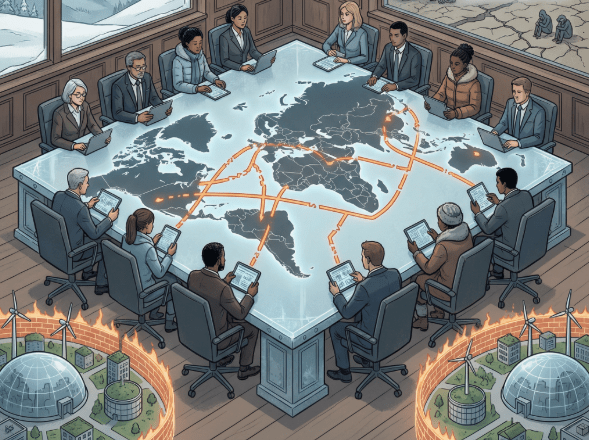
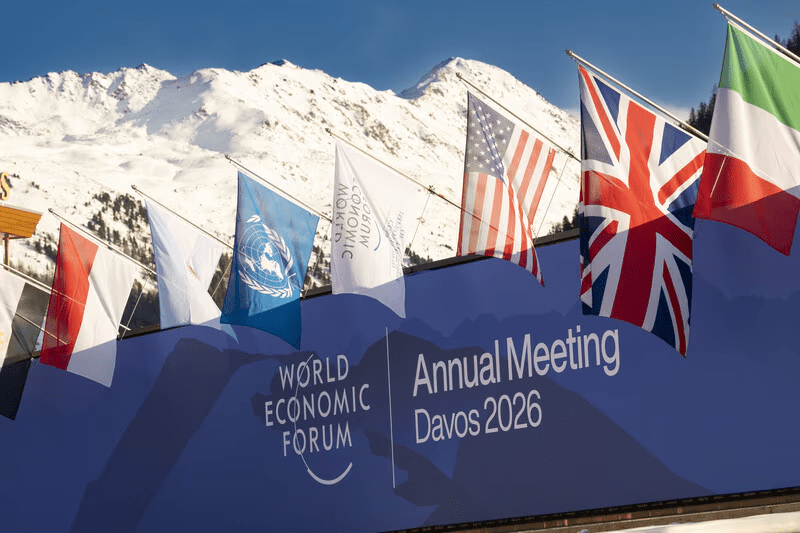
Esta semana se reunieron los jefes de Estado, CEOs y organismos multilaterales en el World Economic Forum de Davos para debatir sobre los cambios globales. Los debates giraron en torno a la fragmentación del comercio, seguridad económica, la necesidad de continuar la transición verde y la complicada reconfiguración de las cadenas globales de valor. Como se pudo ver en las presentaciones de los líderes del norte global, el tono dominante no fue el optimismo por la globalización democratizadora de décadas pasadas, sino el de la gestión del riesgo a nivel local-regional, la resiliencia selectiva y delimitada a intereses de seguridad económica y la protección estratégica de intereses nacionales. Para quienes observamos estos debates desde el Sur Global, Davos nos da conclusiones claras: el comercio internacional ya no se concibe como un espacio neutral de integración transcontinental, sino como un campo de disputa de intereses que nos hacen recordar las relaciones entre el centro-periferia con jerarquías muy demarcadas por los condicionamientos climáticos, la geopolítica y la búsqueda de poder explícito.
Pero esto no es nuevo. Desde una perspectiva interdisciplinaria y global, en la que analizamos los fenómenos económicos, políticos y ambientales como procesos interconectados a escala internacional, este momento puede entenderse como una coyuntura crítica (critical juncture), en la que decisiones políticas y económicas adoptadas en el corto plazo tienen el potencial de reconfigurar de manera duradera las trayectorias institucionales, comerciales y de poder entre regiones. Esta reconfiguración fue curiosamente muy bien analizada por académicos preocupados por los límites ecológicos del crecimiento y la concentración del poder económico. Desde entonces se anunciaba el riesgo “futuro” de una neofeudalización del orden global que aparentemente se ha acelerado en estos últimos años.
Límites ecológicos y el fin del comercio “neutral”
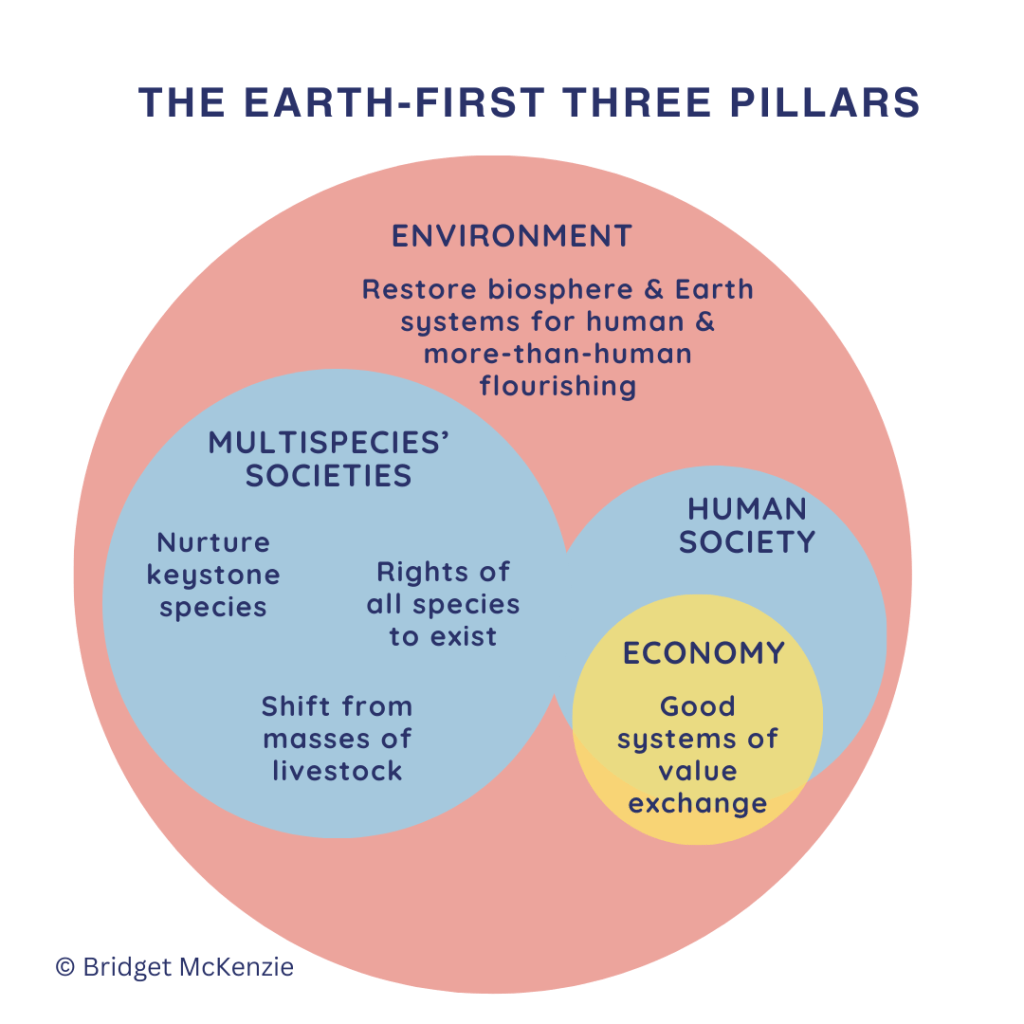
El debate intelectual se remonta a los años setenta, cuando el Club de Roma cuestionó en 1972 la sostenibilidad de un sistema económico basado en la expansión material ilimitada. A partir de entonces, autores clave que estudiamos como el antiindustrialista Ivan Illich o el economista keynesiano E. F. Schumacher advirtieron en sus obras que los sistemas productivos intensivos en energía y capital generaban dependencias estructurales y erosionaban la autonomía de comunidades y economías periféricas.
Junto a ellos, desde la tradición del liberalismo económico clásico, economistas como Friedrich Hayek advirtieron desde la década de 1940 que la combinación de crisis, planificación centralizada y concentración del poder regulatorio tendría la inevitable capacidad de desembocar en una regresión institucional comparable a formas premodernas de dominación. En la obra Caminos de Servidumbre, Hayek sostuvo que, bajo contextos de emergencia (económica, social o ambiental), los Estados tienden a justificar una expansión del control sobre la producción, el comercio y la asignación de recursos, erosionando la competencia y sustituyéndola por relaciones de dependencia jerárquica. Desde esta óptica, la feudalización del siglo XXI no surge por exceso de mercado, sino por su supresión selectiva: cuando el acceso a energía, tecnología, financiamiento o mercados queda mediado por permisos, subsidios condicionados y alianzas político-corporativas, el sistema económico se transforma en un orden de vasallaje regulatorio, donde pocos actores “protegidos” concentran poder y el resto depende de su acceso. Junto a él, otro de mis favoritos, Milton Friedman, alertó que la sustitución de mercados abiertos por capitalismos administrados, incluso con fines supuestamente nobles como la seguridad o la “estabilidad”, conduce a estructuras rígidas y excluyentes. Según explicaba Friedman, cuando el comercio deja de operar bajo reglas generales y previsibles y pasa a organizarse mediante excepciones estratégicas, sanciones o aranceles, controles tecnológicos y proteccionismo selectivo, se consolida una economía de privilegios que recuerda más a un orden feudal corporativo que a un sistema competitivo en el cual los vasallos tienen las de perder. Desde esta visión clásico-liberal, la actual fragmentación del comercio internacional se está acelerando con la guerra comercial, políticas industriales altamente proteccionistas en el norte global y por regulaciones no armonizadas que están siendo disfrazadas como “regulaciones climáticas”; ante esto, corremos el riesgo de que se esté institucionalizando una jerarquía global donde centros económicos aseguran su resiliencia mediante poder normativo y coerción, mientras las periferias quedan atrapadas en relaciones de dependencia estructural, con movilidad económica limitada y escasa capacidad de decisión soberana.
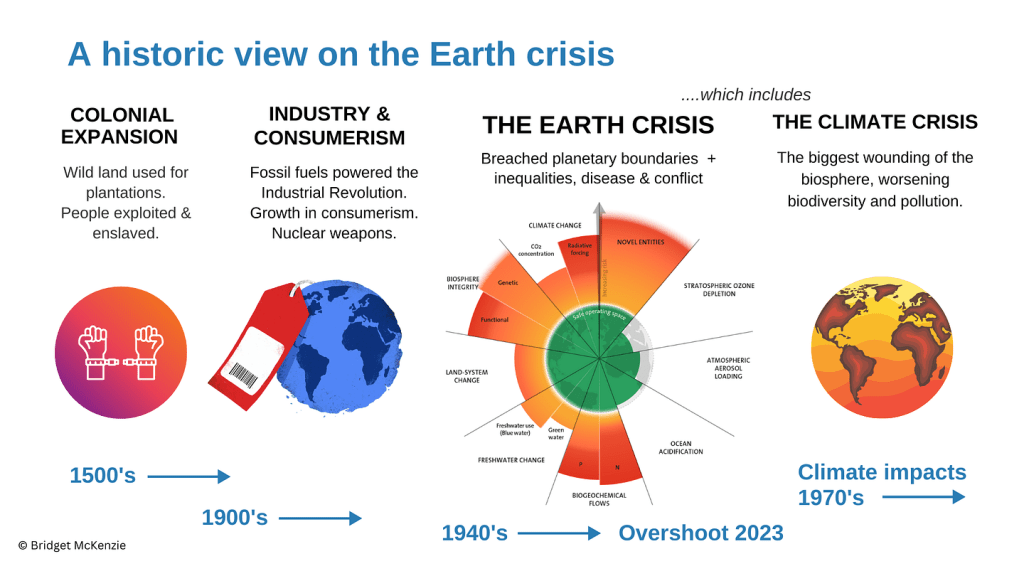
En el primer cuarto del siglo XXI, estas advertencias se reflejan en un comercio internacional cada vez más condicionado por huellas ambientales, estándares regulatorios complejos y barreras técnicas disfrazadas de preocupaciones ambientales que afectan de manera desproporcionada a los países del Sur Global y a las economías emergentes . La crisis climática no solo redefine qué se comercia, sino quién puede hacerlo y en qué condiciones.
Escasez, poder y comercio como instrumento geopolítico
A finales de los años setenta, el pionero en el movimiento medioambiental moderno William (Patrick) Ophuls planteó que la escasez ecológica conduciría al debilitamiento del liberalismo económico y a la emergencia de órdenes más jerárquicos y coercitivos (léase el autoritarismo tan popular entre las democracias occidentales), que él mismo calificó como “neomedievales”. Esta lógica es visible hoy en el uso del comercio como herramienta de poder estratégico con el apoyo de la población y en detrimento de los principios básicos protegidos en la Carta de las Naciones Unidas.
La administración del gobierno estadounidense actual marcó un punto de inflexión al normalizar la “Guerra Comercial” (un término con una larga historía que empezó a aparecer en la prensa económica anglosajona a finales del siglo XIX y principios del siglo XX, especialmente en contextos de proteccionismo arancelario entre potencias industriales). La versión actual, es una guerra comercial sin precedentes entre los países del norte global industrializados, basada en aranceles, sanciones y controles tecnológicos. Más allá de su liderazgo, este enfoque neoconservador consolidó finalmente en la práctica, la visión del comercio como mecanismo de dominación y alineamiento político que se había mantenido constante y tras bambalinas de grupos politicos y académicos estadounidenses desde el siglo pasado. El debilitamiento del multilateralismo comercial y la fragmentación de la OMC son consecuencias directas de este giro y su resultado acelera la feudalización global.
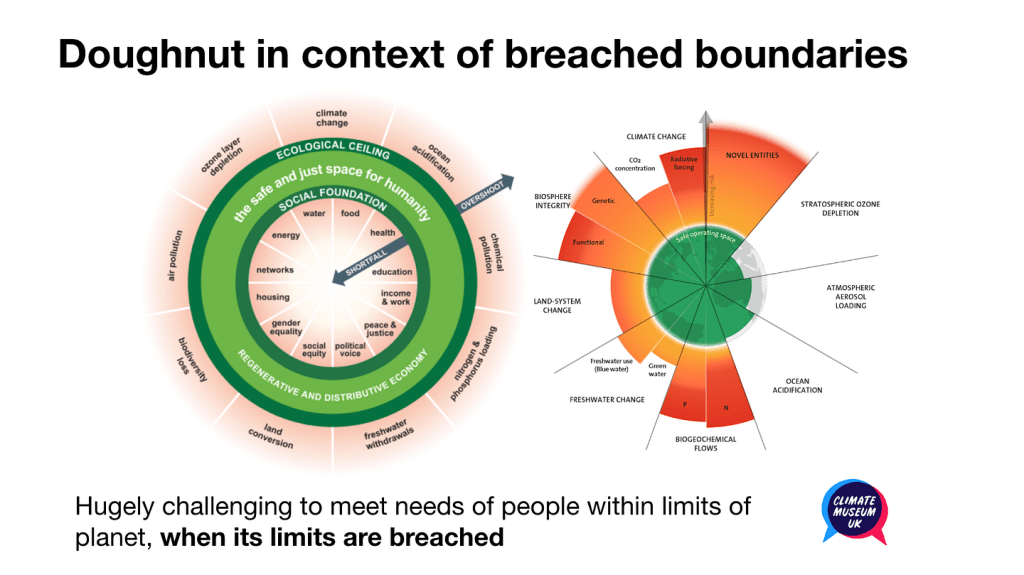
Cambio climático, regulación y nuevas jerarquías centro-periferia
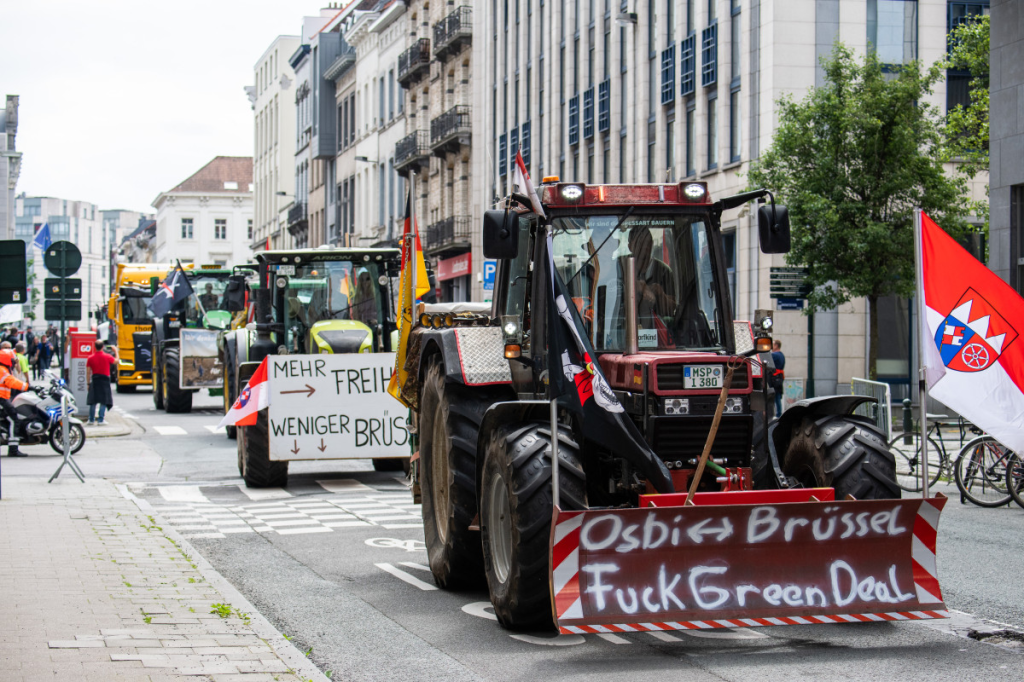
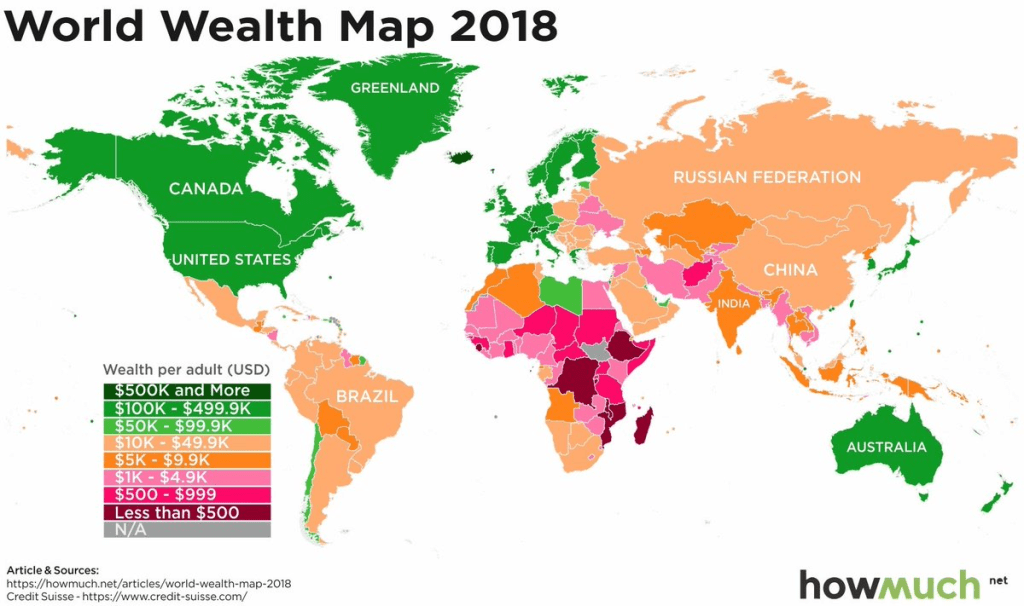
Desde el Sur Global, los debates de Davos sobre transición verde y comercio “sostenible” revelan una tensión central. Si bien los líderes continúan reconociendo que los objetivos climáticos son legítimos, su implementación se ha debilitado reforzando las relaciones centro-periferia históricas mediante regulación asimétrica, ajustes en frontera y exigencias de diligencia debida sin que estas vayan acompañadas de financiamiento, transición justas, incentivos a la transferencia tecnológica y el factor clave del reconocimiento de las responsabilidades diferenciadas.
Aquí resulta clave la aportación del sociologo y economista Ulrich Beck que explicó en los 80s que los riesgos ambientales se distribuían de forma desigual y que los actores (países y multinacionales) con mayor capacidad económica pueden comprar resiliencia, asegurar acceso a mercados y proteger sus cadenas de suministro; y que, por nuestra parte, los países periféricos, en cambio, internalizamos los costos de adaptación climática sin potencializar plenamente a los beneficios del comercio internacional. Este fenómeno ha sido reconceptualizado recientemente como feudalismo climático y explica cómo empieza a surgir en nuestra época un nuevo sistema global en el que la seguridad climática, económica y comercial se privatiza y concentra.
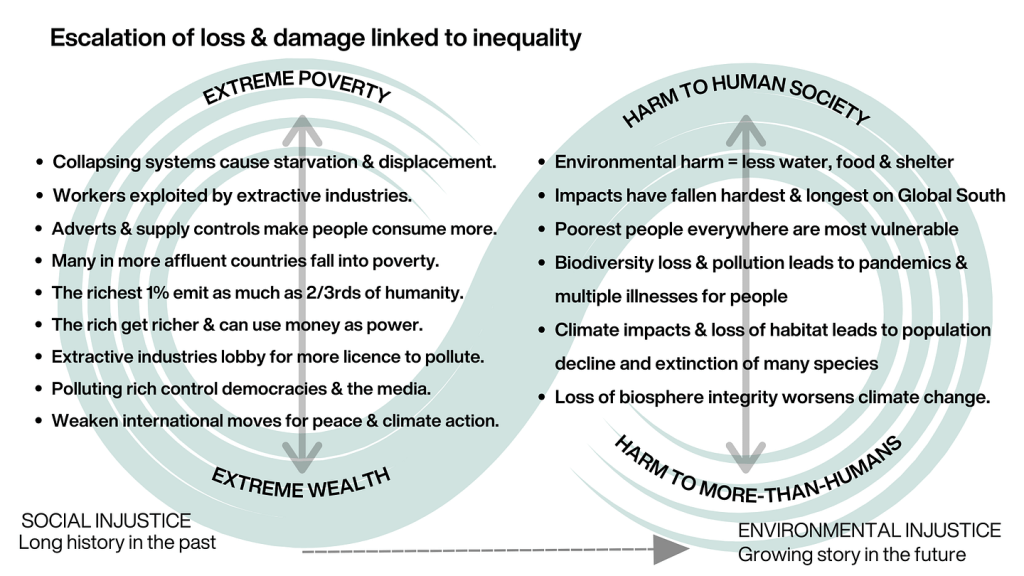
El comercio global como arquitectura neofeudal
Desde una lectura estructural que aún se está configurando, el orden comercial actual presenta rasgos inequívocos de neofeudalización:
- Centros que definen nuevas normas, redefinen valores y que controlan tecnologías, finanzas y acceso a mercados.
- Periferias obligadas a cumplir estándares crecientes, exportar recursos naturales y asumir riesgos climáticos.
- Relaciones de realineamiento estratégico que sustituyen principios universales como la no discriminación y el trato especial y diferenciado.
Sobre esto, las advertencias ya se han venido acumulando desde hace décadas por ambientalistas y ecólogos como Richard Heinberg, científicos en inteligencia artificial como Raymond Kurzweil e incluso por urbanistas como Ramón Fernández Durán que no solo anticiparon que la crisis climática y energética del siglo XXI conduciría a procesos de refeudalización económica y social sino que alertaron de la velocidad en que estos cambios se realizarían. Lo que hoy se discute en Davos confirma que estas dinámicas ya no son teóricas.
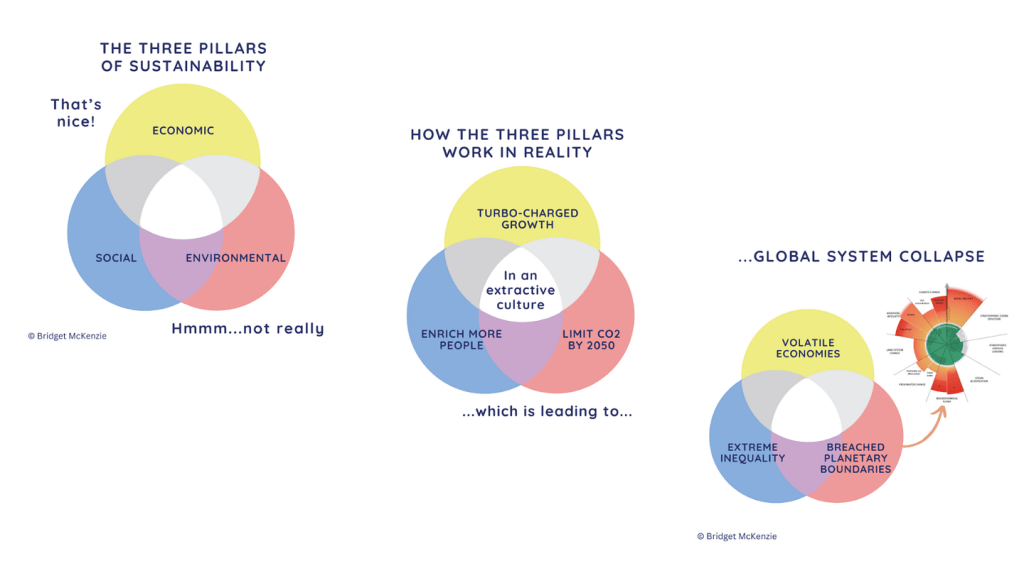
El mundo que viene
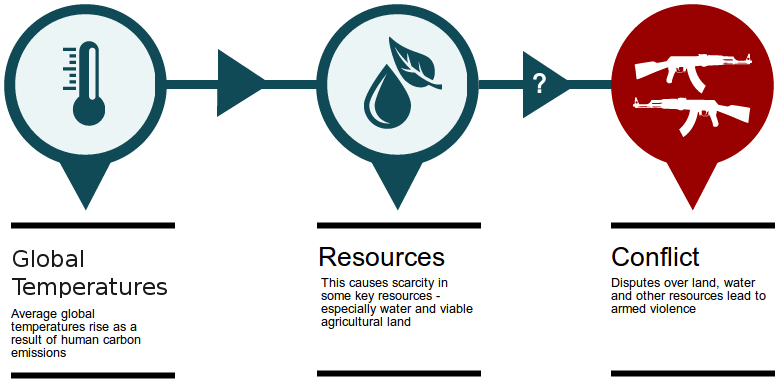
Los debates de Davos muestran un mundo que se reorganiza alrededor del riesgo, la escasez y finitud de los recursos naturales y la acumulación de poder y reconfiguración de alianzas, más que de la cooperación regional y global. Desde el Sur Global, el desafío de los gobiernos será potencializar sus beneficios ante las crecientes amenazas climáticas y la fragmentación geopolítica que consolidará un sistema comercial jerárquico cada vez más claro.
La agenda que viene es un gran reto y requerirá que continuemos fomentando una visión del comercio internacional como herramienta de desarrollo y justicia ante estas nuevas condiciones geopoliticas, y no como mecanismo de subordinación. Las advertencias formuladas por intelectuales de distintas especialidades desde el siglo pasado nos deben servir hoy como un un marco indispensable para comprender —y disputar— el rumbo del orden económico global.
Referencias bibliográficas sugeridas
- Ulrich Beck: La sociedad del riesgo: hacia una nueva modernidad
- Club of Rome: Los límites del crecimiento
- Raúl Prebisch: El desarrollo económico de América Latina y algunos de sus principales problemas
- Celso Furtado: Formación económica de Brasil
- Ramón Fernández Durán: El inicio del fin de la energía fósil
- Friedrich A. Hayek: Camino de servidumbre
- Friedrich A. Hayek: La constitución de la libertad
- Richard Heinberg: El pico de todo: despertando al siglo de los descensos
- Ivan Illich: Energía y equidad
- Ludwig von Mises: La acción humana: tratado de economía
- Ludwig von Mises: Burocracia
- Lewis Mumford: El pentágono del poder
- William Ophuls: Ecología y política de la escasez
- Marta Peirano: Contra el futuro: resistencia ciudadana frente al feudalismo climático
- E. F. Schumacher: Lo pequeño es hermoso: economía como si la gente importara
- Karl Polanyi: La gran transformación: los orígenes políticos y económicos de nuestro tiempo
- James C. Scott: Ver como un Estado: cómo ciertos esquemas para mejorar la condición humana han fracasado
- Wolfgang Streeck: Comprando tiempo: la crisis aplazada del capitalismo democrático
- Joseph A. Schumpeter: Capitalismo, socialismo y democracia
- Daniel Yergin: El nuevo mapa: energía, clima y el choque de las naciones
- Blog con más contexto del significado de las gráficas: McKenzie, B. Economía más allá de los límites de la Tierra