El rol de las instituciones ante el Cambio Climático, los Estudios Globales y las ideas de Acemoğlu-Robinson-Johnson

Los Estudios Globales fueron el campo de especialización que estudié durante mis maestrías en Alemania y Dinamarca hace más de diez años. En ese entonces, esta disciplina era aún difícil de explicar y entender, y a menudo enfrentábamos críticas debido a su enfoque interdisciplinario, que examina exhaustivamente procesos, sistemas y problemas globales con énfasis en la interconexión de las dinámicas económicas, políticas y sociales entre las naciones. Esto nos llevaba a complejas discusiones ad infinitum que a los académicos suele irritar. Con la reciente entrega del Nobel de Economía 2024 a Acemoğlu, Robinson y Johnson, en particular por su análisis de los marcos institucionales y su impacto en el desarrollo económico en Why Nations Fail, considero relevante compartir cómo sus ideas se alinean con los Estudios Globales. Estos académicos exploran el papel fundamental de las instituciones políticas y económicas en la configuración de las desigualdades entre países, y cómo estas instituciones resultan clave para enfrentar la crisis climática actual.

Las ideas de Acemoğlu-Robinson-Johnson y de los Estudios Globales se alimentan de una gran diversidad de autores, perspectivas e ideologías y son complementarios por ramas muy importantes como la Teoría de los Sistemas Mundiales de Wallerstein, que considera al capitalismo global como un sistema que mantiene dependencias entre el centro y la periferia, reforzando las disparidades entre las naciones desarrolladas y en desarrollo. Asimismo, el análisis de Marx del capitalismo y las luchas de clases ofrece perspectivas fundamentales sobre las estructuras económicas y las relaciones de poder que los Estudios Globales examinan, especialmente para comprender cómo el capitalismo global puede perpetuar las desigualdades. Juntos, estos académicos y muchos otros que se han especializado en territorios o ramas de las ciencias humanas más específicas, contribuyen a una comprensión integral dentro de los Estudios Globales de cómo los sistemas económicos globales y los factores institucionales influyen en las disparidades y dan forma al orden global.

En mi caso, mi especialización en el impacto que el cambio climático y la práctica de nuevos modelos económicos de comercio sostenible como la economía circular me han llevado a ver cómo fenómenos globales, han suscitado preocupaciones no solo en términos de sus impactos medioambientales, sino también en relación con sus efectos en la estructura y funcionamiento de las instituciones. Este artículo busca explorar la relación entre el cambio climático y las instituciones de forma breve y con temas que podrían tomarnos un libro entero para analizar. Asimismo, presentaré cuál es su rol dentro del contexto de la “big history” o “gran historia” que ha inspirado la ideología detrás de estos autores laureados al presentar una perspectiva histórica que sitúa los eventos humanos dentro de la vasta cronología del universo.

La Big History y el cambio climático: un contexto macrohistórico

Cuando hablamos de “big history” nos referimos a un enfoque donde se considera la historia del ser humano no de manera aislada, sino como una pequeña parte de un proceso mucho más extenso que abarca desde el Big Bang hasta el presente. En este marco, el cambio climático representa un punto de inflexión que puede ser interpretado como un desencadenante de transformaciones a gran escala, similar a otros eventos disruptivos como la Revolución Agrícola o la Revolución Industrial y la actual Revolución del Internet y la Inteligencia Artificial que está reconfigurando desde ya el futuro de la humanidad.

El cambio climático es un evento dentro de esta narrativa que fuerza una reinterpretación de la relación de los seres humanos con el entorno natural y con las instituciones que continuarán sosteniendo esta sociedad vulnerable a las dinámicas de la naturaleza planetaria. Este cambio, se ha convertido en un catalizador que no solo modifica el clima y los ecosistemas, sino que también exige la adaptación de las instituciones y las estructuras económicas y políticas.

El rol de las instituciones y su vinculación con el cambio climático. La Adaptación y Resiliencia son clave

Las instituciones, entendidas como los sistemas de normas, reglas y estructuras organizativas que regulan el comportamiento social y económico, juegan un papel fundamental en la respuesta a la crisis climática. Las instituciones políticas y económicas se encuentran ahora en una encrucijada, ya que deben responder a desafíos sin precedentes que ponen a prueba su capacidad de adaptación y resiliencia. En este contexto, es útil aplicar conceptos de la teoría institucional para analizar cómo las instituciones han reaccionado —o no— ante el cambio climático y cómo otras instituciones han sido las causantes —o no— de la aceleración de este cambio. Al respecto, mencionaré tres funciones clave que pueden resaltar el rol de las instituciones frente a esta problemática:

  1. Regulación ambiental y gobierno eficiente: conforme se intensifica el cambio climático, las instituciones deben desarrollar e implementar regulaciones que promuevan la sostenibilidad y mitiguen los efectos ambientales. Para esto, se requiere crear desde políticas de control de las emisiones de CO2 hasta acuerdos internacionales como el Acuerdo de París y la Agenda 2030. La efectividad de estas regulaciones dependerá de la capacidad de las instituciones para adaptarse a la incertidumbre y coordinar respuestas integrales.
  2. Rediseño económico: el cambio climático también ha implicado una reconfiguración económica y el surgimiento de mecanismos de gobierno autoritarios que limiten el libre mercado y regulen la acción humana hacia sistemas proteccionistas y autoritarios. La transición hacia una economía baja en carbono y sostenible requiere una transformación significativa de las instituciones financieras y comerciales que en algunos países ha dependido de sistemas unipartidistas y totalitarios para reafirmar sus objetivos. Otros, como en la Unión Europea, han logrado establecer el consenso para alcanzar estas metas a la vez que protegen sus economías y cierran sus fronteras a la importación de CO2 vía fletes de transporte o productos fabricados como resultado de la deforestación. Es aquí donde el rol de economistas, internacionalistas y politólogos es crucial para analizar y promover políticas que permitan esta transición sin perjudicar el desarrollo económico.
  3. Innovación social y tecnológica: las instituciones también son fundamentales para fomentar la innovación social y la aceleración de la adaptación tecnológica. Estos son elementos necesarios para enfrentar el cambio climático y para fortalecer una población responsable de sus acciones bajo marcos regulatorios sólidos y certeza jurídica. Las universidades, centros de investigación y principalmente las empresas multinacionales han desempeñado un papel clave en esta reeducación social y aceleración tecnológica mediante la promoción de tecnologías limpias, creación de modas “verdes” y cumplimiento de certificaciones y prácticas sostenibles como el uso de empaques reciclables o de fuentes renovables. La colaboración interinstitucional es esencial para que estas innovaciones puedan escalar y ser efectivas a nivel global.

El rol de las Instituciones en el contexto de la Big History y el cambio climático

En el marco de la “big history” y de los estudios globales, el cambio climático puede ser visto como un momento crucial que demanda una reevaluación de las instituciones existentes de la misma manera en que Acemoglu-Robinson analizaron a países, regiones y civilizaciones. A lo largo de la historia, cada gran cambio estructural ha dado lugar a una reconfiguración de las instituciones, desde las primeras civilizaciones hasta las actuales democracias industriales capitalistas y los sistemas totalitarios de economía mixta. Actualmente, las instituciones enfrentan un reto similar: evolucionar o quedar obsoletas y ser víctimas del cambio climático. Las instituciones que logran adaptarse y promover una economía resiliente y sostenible podrían no solo sobrevivir, sino también liderar un nuevo capítulo en la gran historia de la humanidad. Algo que no ocurre por primera ocasión y que el caso de la caída de la civilización maya es un excelente ejemplo respecto a otros momentos críticos en la historia, en los que la respuesta institucional al cambio climático determinó el curso de la civilización humana.

El camino que queda ante nosotros para combatir el cambio climático desde instituciones nuevas y fortalecidas

Para los académicos y los tomadores de decisiones en el gobierno y las empresas, la relación entre el cambio climático y las instituciones ofrece un campo fértil para el análisis de cómo las estructuras de poder y gobernanza están respondiendo a este desafío global. La historia ha demostrado que las instituciones son capaces de cambiar en respuesta a crisis significativas y hoy nos encontramos ante una oportunidad similar. Por su parte, los globalistas tenemos el inmenso reto de diseñar modelos y estrategias socioeconómicas y políticas que faciliten la transición hacia economías sostenibles, considerando no solo los beneficios ambientales, sino también las implicaciones socioeconómicas para diferentes sectores de la sociedad. El cambio climático, en este contexto, se convierte no solo en un problema que resolver, sino en una oportunidad para reformular y reforzar el papel de las instituciones en el desarrollo humano. La premiación que hicieron del Nobel a Acemoğlu-Robinson-Johnson, nos debe invitar a continuar haciendo siempre análisis interdisciplinarios para entender cómo podremos enfrentar el futuro y construir sociedades más resilientes y sostenibles en el marco de los desafíos actuales y venideros.

The gated community motto: Come and live in a lie while ignoring life!

The papers, books and studies related to the urban development of gated communities in the Global South have provided lots of information by problematizing the history and politics behind the imaginary of these projects. Urban developers all over Latin America, Africa and Asia are building hundreds of communities and apartment buildings that imitate European and Western Styles of construction, lifestyle, norms and regulations. This morning I got my hands in one more of these advertisements for a housing project located in a recently developed dormitory city near Guatemala City, Guatemala.

The community is called “Residenciales Pasaje Español” and the development aims at replicating the lifestyle of a Spaniard ideal of a community  (while, of course, ignoring reality about Spain’s complexities).  The advertisements are all directed at the appeals of the growing middle-class market in Guatemala which is backed by a search for: affordable housing, accesible parks, gated walls around the housing project, 24/7 private police service, white houses that offer access to parking spaces for family-sized cars.  All of this providing a “theme-park” feeling that enables you to transport yourself from the violent and insecure life outside of the gates.

plano del proyecto

Guatemala City and the dormitory cities around it are inhabited by aprox. 3.5 million people with more than 1 million cars and the figures are quickly rising. Many of the gated communities are 1 or 1.5 hours away from most of the office and industrial areas and traffic jam is a constant worry for this people. Alienated from crime and lack of rule of law, these gated-communities offer an escape from public worries to taxpayers and an excuse to ignore the country’s multiple problems.

torres de luz

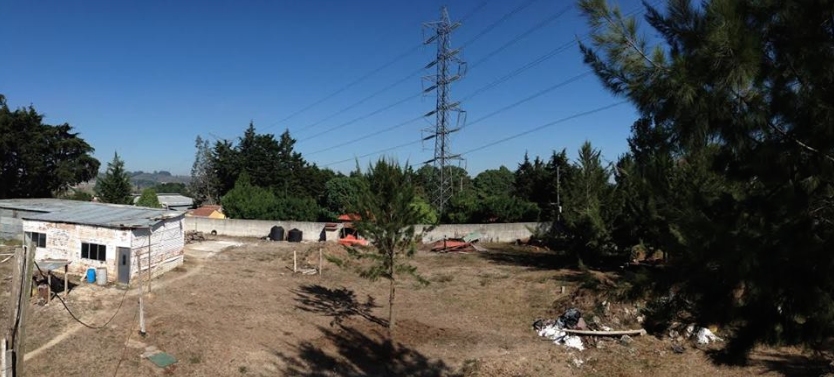
But as any other theme-park there are many flaws and dangers in the aim to replicate the “ideal society”.  The complex is located straight next to a line of huge power towers that represent a health menace to the people that will live in the houses. Also, the gated-community is surrounded by hundreds of new houses and dozens of new gated-communities that once completed and sold will represent an increase in the traffic jam outside of the “housing dream”.

Perhaps it is still time to Rethink the future of our cities. We still have time to further problematize our development model and think about the contradictions behind these city-building dystopias. And bring to light more information regarding how these gated-communities further weaken collaboration, cooperation and citizenship in our societies…

Piketty’s “Capital,” and the Rest of the World

Video: Thomas Piketty Discusses, “Capital In The 21st Century” with Ryan Grim and Alexis Goldstein

The book by the French economist Thomas Piketty’s Capital in the Twenty-First Century has already become part of everyday discussions and is being referenced among academics. The research by Piketty has come in the perfect time and there are plenty of reasons why. Piketty’s book discussion brings some light to the study of income quintiles and deciles into a new debate of the “the skyrocketing incomes of the 1% — and the mind-boggling gains of the 0.1% and 0.01%  — by gathering and publishing income tax data that nobody had bothered with before. Piketty was behind similar projects in France, Britain, Japan, and other countries.” (via Justin Fox at the Harvard Business Review)

I finished reading the book this weekend and it was eye-opening. The book presents great challenges to the study of capital and inequalities in the developed economies as well as in the rest of the world. The book also opens the doors for a wider discussion on the effects European Capital has had in the global economy. Further, the book invites globalists to challenge our understanding of European-centric terms that over longer periods of time become, perhaps, insufficient to comprehend global economic processes over the passing of centuries and how these processes have changed and transformed themselves by a complex evolution and redefinition.

It can’t be denied that capital during all of the 19th Century and in the beginning of the 20th Century was centered in the main European metropolises and extracted most of the goods from the periphery. Few Capital remained in colonies and protectorates. Wealth belonged to the Empires and Poverty remained in colonial territories. Even the poorest of the European was considered Rich by comparison to the inhabitants of Colonies.

Today, European Empires are gone for a while, U.S. Capital increased and gained from the fall of the European Empires and new economies started developing in former Colonies. Giant Economies like China and Russia woke up after decades of isolation from global trade and today reconfigured our understanding of Capital. Piketty’s book somehow fails to explore this Global political changes and its economic effects.

Piketty’s central argument has a gigantic weakness since it is tied to nation-states and cannot be compared or understood in reference to Global Capital flows in today’s multinational economy. Very few references are made to the role played by Multinational Companies and foreign national investments and savings by State Companies in the world.  And less is mentioned of global inequalities and the North-South divide that has been increased by the investments done by Developed and Developing Economies in the rest of the world.  Piketty argues that Capital has tended over time to grow faster than the overall economy (he focuses on European and US economies); and that income from capital is invariably much less evenly distributed than labor income (again he focuses on European and US economies). Thus failing to acknowledge how Labor income stopped been localized during the 20th Century and it involved multiple polities far away from the metropolis.  Piketty argues that together (Capital growth and its uneven distribution) amount to a powerful force for increasing inequality.

Piketty doesn’t take things as far as Marx and this is a pitty. Marx’s methodology involved the State but it also referenced to its effects both and from the peripheries through the pass of longer periods of time. This is one of the most important contributions of Marx: his global understand of the economy.

Piketty shows how over the two-plus centuries for which good records exist, the only major decline in capital’s economic share and in economic inequality was the result of World Wars I and II, which destroyed lots of capital and brought much higher taxes in the U.S. and Europe. However, he again fails to acknowledge how Capital grew in the Global South after these wars as a result of increased inequalities in the Colonies and Agriculture-centered States in South America and Asia. During the wars Capital destruction was followed by a spectacular run of economic growth that involved the entire globe and not only Europe and the U.S.  The Cold War is a good reference for finding how Capital flows went from Europe to Asia, America and Africa.  As well, the run of economic growth started involving non-State actors in which Capital continue increasing at a higher and faster rate than the one he references and studies. Failing to study this shows in Piketty’s book that after decades of peace, slowing growth, and declining tax rates, capital and inequality are on the rise all over the developed world only, and it’s not clear what if anything will alter that trajectory in the decades to come.  However, the declining tax rates, capital and inequality are on the rise at a faster pace in the developing economies and in the “puppet states” (Nigeria, Chile, the Middle East countries) which have emerged around them as sources of petrol, minerals and rare earths.

Piketty’s main worry as points out Justin Fox is that “growing wealth in Europe will bring a return to 19th century circumstances in which most affluent people get that way through inheritance.” Plus, “U.S. median income will continue lossing ground relative to other nations in the following years”. But this are not the only worries that we should identify.  The BRICS countries are probably a good source of comparison to see how the growing wealth of the 20th Century remains on the hands of the few rich and is currently been passed through inheritance. Further, developing economies in South America and Africa are an extreme case of the last.

Piketty’s solution to Europe’s and U.S. problems is that a progressive global wealth tax be established. But this tax will fail to be the best response to the current dynamics of inequality if Capital continues flowing outside of Europe into multinational capital investments overseas and into State companies overseas. 

I enjoyed this political economy analysis and will continue learning a lot from it. Piketty’s solution is a challenge for the study of global political economy and the reconfiguration of the global economy in the 21st Century. Perhaps if a new book is published studying the shareholders who own the most stock in almost every Fortune 500 company and the Capital of any major global company instead of only the economies of France, Germany or the United States more accurate insights will be found.


Walmart’s Irrational “buy American” Campaign

Walmart-Stores-home-offic-007

Walmart‘s latest push to Buy American and Hire Veterans is irrational.  In a world of interconnectedness in which products from pencils to airplanes are produced with parts and components made all over the world the “buy American” argument falls into pieces.

In today’s world mass consumption economy there is not a single product that can be claimed to be “national” or “unique” without ignoring the intertwined network of global production.  If your argument is “yes” there is such a thing as “100% national” or “100% American” then I will still be able of arguing against your position.  Why?  Because the economy of the United States of America is not only part but dependent on the global economy.

By 2012, only about 32 cents for every dollar of U.S. debt, or $4.6 trillion, was owned by the federal government in trust funds, for Social Security and other programs such as retirement accounts, according to the U.S. Department of Treasury.

The largest portion of U.S. debt, 68 cents for every dollar or about $10 trillion, is owned by individual investors, corporations, state and local governments and, yes, even foreign governments such as China that hold Treasury bills, notes and bonds.

Foreign governments hold about 46 percent of all U.S. debt held by the public, more than $4.5 trillion. The largest foreign holder of U.S. debt is China, which owns more about $1.2 trillion in bills, notes and bonds, according to the Treasury.

In total, China owns about 8 percent of publicly held U.S. debt. Of all the holders of U.S. debt China is the third-largest, behind only the Social Security Trust Fund‘s holdings of nearly $3 trillion and the Federal Reserve‘s nearly $2 trillion holdings in Treasury investments, purchased as part of its quantitative easing program to boost the economy. (Data via: How Much U.S. Debt Does China Really Own?)

So, the next time you think you are “Buying American“, I invite you to reconsider how irrational such an argument is.

The Global Politics of the Diaoyu Islands

By Bryant Arnold. via:http://www.cartoonaday.com/china-vs-japan-at-sea/

As The Japanese government’s moved to purchase the Diaoyu Islands (also known as Senkaku Islands) three days ago the government of the People’s Republic of China reacted energetically.  Initially, Chinese media reporters influenced mediatic understanding of the situation by emphasizing the nationalization of the islands by Japan (ringing the history bells to Chinese people on how Japan had previously nationalized Manchuria and renamed it as the puppet state of Manchukuo during the WW2 period).  And later, by making strong diplomatic statements on how Chinese sovereignty and control of the islands had been violated by the Japanese purchase.

The purchase of the islands is of relevance regionally and globally.  Why China, Japan, and S. Korea aren’t backing down on this islands should be understood by taking a look at the map and see how the position of the islands is central for the passage of containers and oil that comes all the way from Middle East via the Strait of Malacca.  A route that is of priority importance for China and which I explored in the essay “The Strait of Malacca as one of the most important geopolitical regions for the People’s Republic of China” which ca be read in pdf at Academia.edu for free.

Locally, the geography of the islands is meaningless. The island group consists of five uninhabited islets and three barren rocks which zooming out are located approximately 120 nautical miles northeast of Taiwan, 200 nautical miles east of the Chinese mainland and 200 nautical miles southwest of the Japanese island of Okinawa. And which zooming out are in the center of the route of all the containers that go to the ports of East and North East China, of which the most important is Shangai.

The Japanese central government formally annexed the islets on 14 January 1895. And after WW2 they were occupied by the United States. The islets were later returned to Japan during the 70s and it was only until the last two decades that they became of relevance as the People’s Republic of China started to project is New Economic and Global Plans for economic sustainable expansion.  Plans in which they have invested billions of  dollars in military expansion, naval trade/military shipbuilding, regional economic investment via state-owned companies and diplomatic sovereignty claims all over the region.

The islands are officially Japanese territory, but as Chinese official statements continue being broadcasted they claim a violation of sovereignty that could takes decades to be resolved via a diplomatic arbitrage and/or scalate to more direct military statements and naval occupations of the beaches of the islets.

Whoever said that trade is the most (or only) pacific way of organizing society should reconsider this evaluations when thinking about how global trade works and on how diplomatic and economic control of trade routes is sometimes more powerful and dangerous than a bunch of battleships.